Maximizing Efficiency and Profitability in Airfreight with Cutting-Edge Airfreight Software
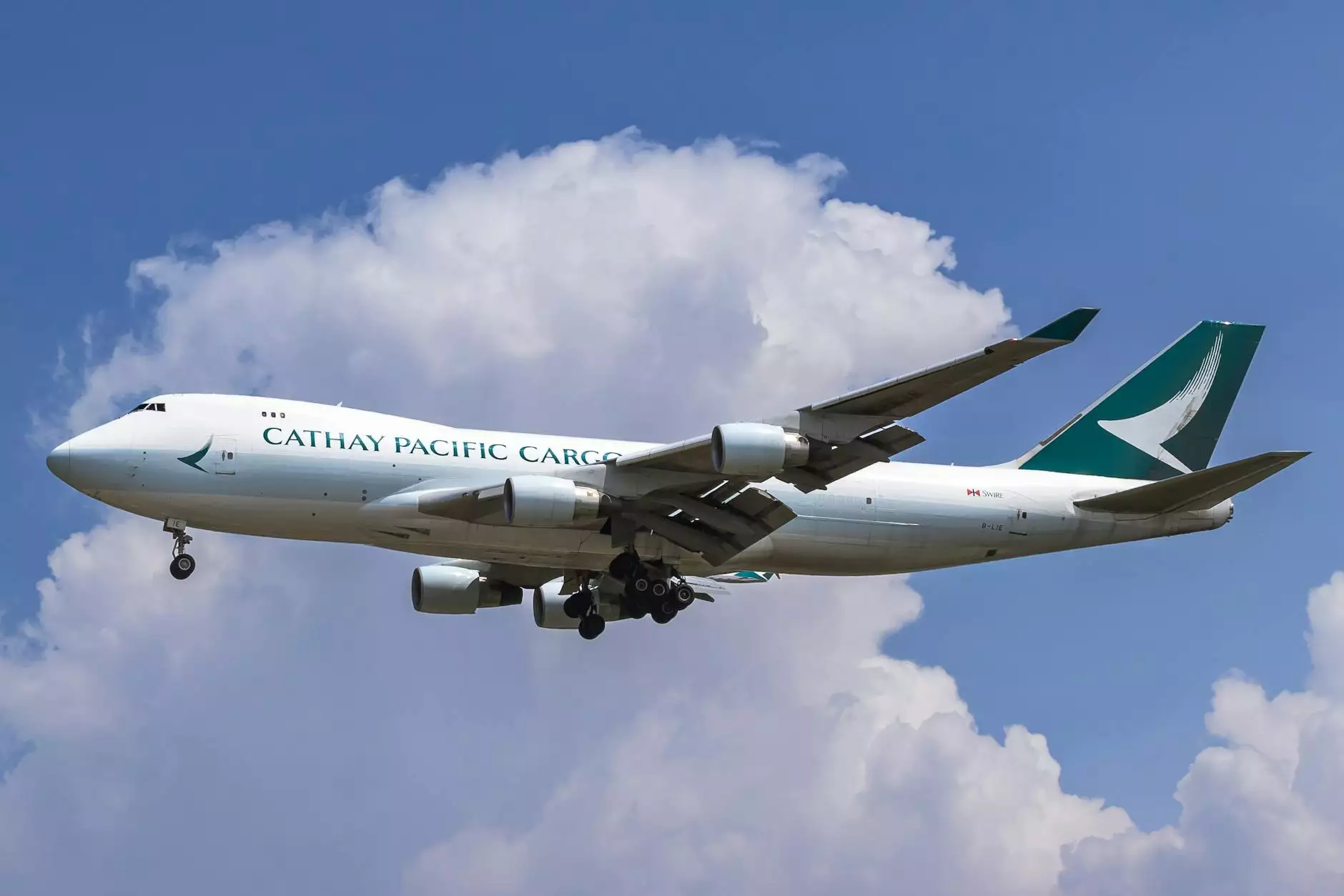
In the dynamic world of logistics and global supply chains, the airfreight industry stands as a critical pillar enabling quick, reliable, and cost-effective transportation of high-value and time-sensitive goods. As markets become more competitive and customer expectations escalate, airfreight companies must leverage innovative tools to optimize operations, streamline workflows, and gain a strategic edge. Central to this technological revolution is airfreight software, a comprehensive solution transforming how businesses manage their shipping centers, transportation, and airport logistics.
Understanding the Role of Airfreight Software in Modern Logistics
At its core, airfreight software is an integrated digital platform designed to automate, optimize, and manage every aspect of air cargo operations. From booking and documentation to real-time tracking and analytics, this software serves as the nerve center for airfreight enterprises aiming for operational excellence.
Traditional manual methods — paper-based documentation, fragmented communication channels, and labor-intensive processes — are no longer sufficient in today's fast-paced logistics environment. The adoption of airfreight software provides significant advantages, including enhanced accuracy, faster processing times, reduced operational costs, and improved customer satisfaction.
Key Features of Advanced Airfreight Software That Drive Business Success
- Automated Booking and Cargo Management: Simplifies reservation processes, reduces errors, and accelerates cargo acceptance.
- Real-Time Tracking and Visibility: Enables precise monitoring of shipments, providing stakeholders instant updates and proactive exception handling.
- Customs Compliance and Documentation: Streamlines customs procedures, ensuring adherence to international regulations and reducing delays.
- Integrated Communication Tools: Facilitates seamless communication between airports, carriers, freight forwarders, and customers.
- Data Analytics and Reporting: Provides actionable insights into operational performance, helping with strategic decision-making.
- Scalability and Flexibility: Adapts to growing business needs, supporting expansion into new markets or more complex logistics networks.
The Impact of Airfreight Software on Shipping Centers, Transportation, and Airports
Transforming Shipping Centers for Greater Efficiency
Shipping centers are the hub of cargo consolidation, processing, and distribution. Implementing airfreight software revolutionizes these centers by automating cargo handling workflows, reducing manual data entry, and minimizing mistakes. Automated scanning, labeling, and documentation sync seamlessly with existing warehouse management systems, resulting in faster turnaround times and increased throughput.
Optimizing Transportation Network for Cost and Time Savings
Transportation planning is critical in ensuring timely deliveries and minimizing expenses. Airfreight software facilitates route optimization through advanced algorithms, considering variables such as flight schedules, cargo priorities, and real-time traffic conditions. This results in more efficient load planning, fuel savings, and reduced transit times, ultimately boosting profitability.
Enhancing Airport Operations with Real-Time Data Integration
Airports serve as the gateways for international trade, requiring meticulous coordination of arrivals, departures, and cargo transfers. With airfreight software, airport authorities gain comprehensive visibility over cargo movements, slot utilizations, and handling operations. This integrated approach reduces bottlenecks, accelerates clearance procedures, and improves overall airport capacity utilization.
Why Leading Airlines and Logistics Providers Are Investing in Airfreight Software
Organizations at the forefront of airfreight logistics recognize that investing in airfreight software is essential for staying competitive in an increasingly digitized environment. The advantages include:
- Enhanced Customer Experience: Providing customers with real-time shipment updates, transparent tracking, and rapid problem resolution.
- Operational Cost Reductions: Automation eliminates manual tasks, reduces paperwork, and minimizes errors, leading to significant cost savings.
- Faster Turnaround Times: Streamlined processes shorten cargo handling times, allowing for more flights and revenue opportunities.
- Data-Driven Decision Making: Comprehensive analytics enable proactive management, capacity planning, and strategic expansion.
- Regulatory Compliance: Consistent adherence to evolving international standards minimizes risk of fines and delays.
Integrating Airfreight Software Across the Entire Supply Chain
For maximum impact, airfreight software must be seamlessly integrated with other supply chain components such as ERP (Enterprise Resource Planning), CRM (Customer Relationship Management), and TMS (Transportation Management Systems). This integration ensures data consistency, reduces duplication, and enables end-to-end transparency across logistics operations.
Integration facilitates synchronized workflows between shipping centers, ground transportation providers, customs authorities, and airline carriers. As a result, businesses gain a holistic view of their supply chain, enabling rapid adjustments, minimizing disruptions, and optimizing resource allocation.
The Future of Airfreight Operations with Airfreight Software
The future landscape of airfreight logistics is set to be shaped by innovations driven by airfreight software. Key trends include:
- Artificial Intelligence (AI) and Machine Learning: To predict demand fluctuations, optimize routes dynamically, and automate decision-making.
- Internet of Things (IoT): Embedding sensors within cargo to monitor conditions such as temperature, humidity, and vibration, ensuring tight control over sensitive items.
- Blockchain Technology: Enhancing security, traceability, and transparency in cargo transactions and documentation.
- Cloud Computing: Providing scalable, accessible solutions that facilitate remote management and collaboration across international teams.
By adopting these emerging technologies within airfreight software, companies can anticipate increased agility, security, and customer trust.
Conclusion: Elevate Your Airfreight Business with the Right Software Partner
In the competitive arena of airfreight logistics, leveraging advanced airfreight software is no longer optional — it is imperative for survival and growth. From optimizing operations at shipping centers to enhancing airport efficiency and transforming transportation networks, integrated digital solutions unlock new levels of productivity and profitability.
Businesses looking to establish a robust and future-proof logistics infrastructure should partner with providers that offer customizable, feature-rich, and scalable airfreight software. The goal is simple: streamline processes, reduce costs, improve accuracy, and deliver unmatched customer satisfaction.
Explore how cargobooking.aero can empower your airfreight operations with innovative software solutions tailored for your unique needs. Embrace digital transformation today and position your business for success in the rapidly evolving world of air cargo logistics.
airfreight software