Comprehensive Guide to Laparoscopic Salpingo-Oophorectomy: Procedure Steps & Insights
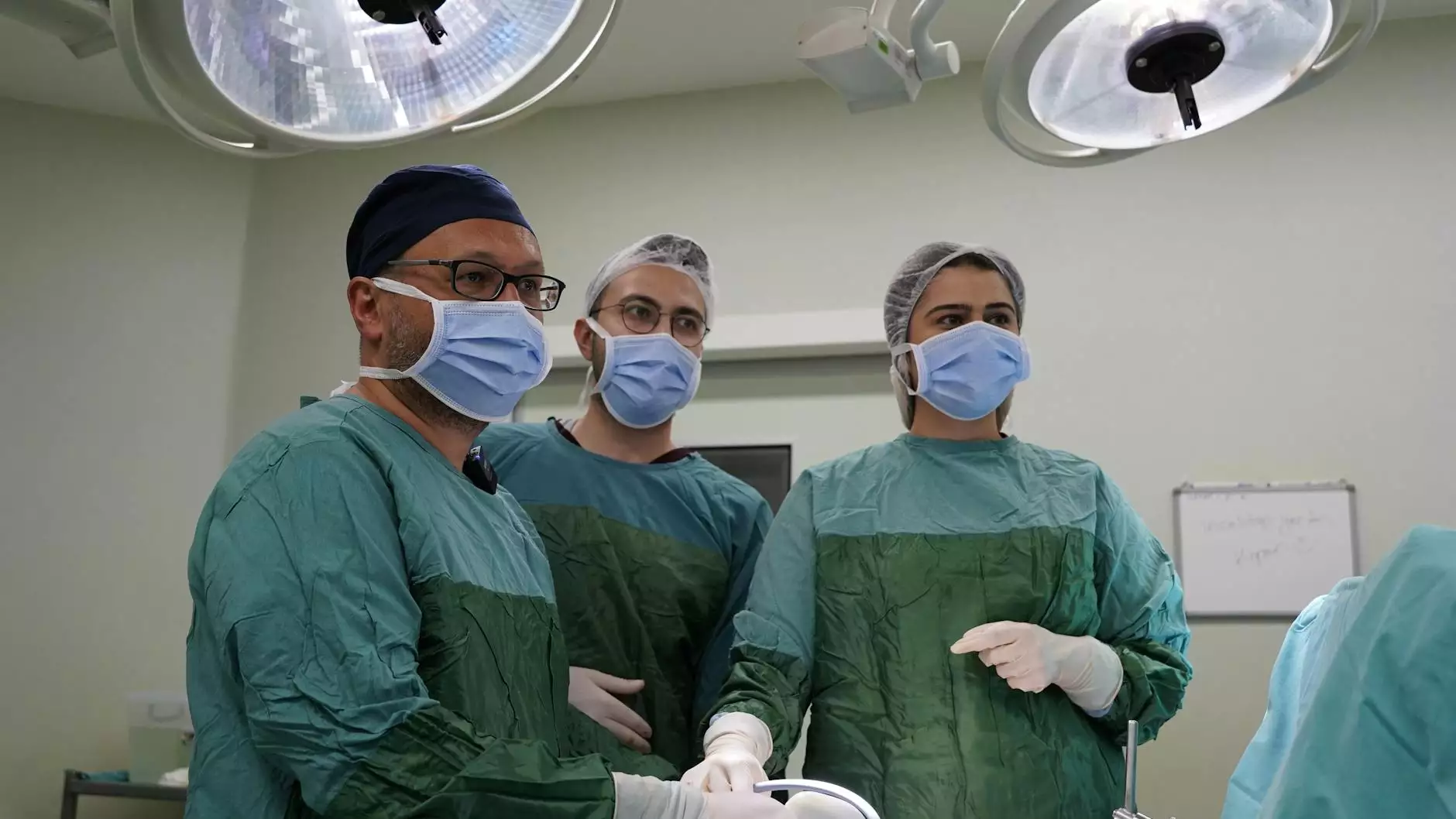
The field of minimally invasive gynecological surgery has revolutionized women's health care, offering precise, less traumatic options for managing various ovarian and fallopian tube conditions. Among these procedures, laparoscopic salpingo-oophorectomy stands out as a highly effective surgical intervention for removing problematic ovaries and fallopian tubes with the utmost care for patient recovery and quality of life.
Understanding Laparoscopic Salpingo-Oophorectomy
Laparoscopic salpingo-oophorectomy is a minimally invasive surgical procedure used to remove one or both ovaries and corresponding fallopian tubes. This procedure is commonly indicated for ovarian cysts, tumors, endometriosis, ectopic pregnancies, or in some cases, ovarian cancer management. The laparoscopic approach leverages small incisions and specialized instruments, resulting in less postoperative pain, quicker recovery times, and minimal scarring compared to traditional open surgery.
Why Choose Laparoscopic Salpingo-Oophorectomy?
- Minimally invasive: Small incisions reduce trauma and healing time.
- Enhanced visualization: High-definition cameras allow precise surgical navigation.
- Reduced risk of infections: Smaller wounds lower infection rates.
- Faster recovery: Patients often return to normal activities within days.
- Better cosmetic outcomes: Minimal scarring improves aesthetic results.
Preparing for the Procedure: Preoperative Considerations
Successful laparoscopic salpingo-oophorectomy begins with thorough preoperative evaluation. Patients undergo comprehensive assessments, including blood tests, imaging studies such as ultrasound or MRI, and counseling about the procedure, risks, and expected recovery. Consulting experienced surgeons like Dr. Seckin at drseckin.com ensures personalized care tailored to individual health needs.
Important preparation steps include:
- Fasting as per surgeon’s instructions
- Discontinuing blood-thinning medications if applicable
- Arranging transportation post-surgery
- Discussing any allergies or medical conditions with your surgeon
The Step-by-Step Breakdown of the Laparoscopic Salpingo-Oophorectomy Procedure
1. Anesthesia and Patient Positioning
The procedure begins with administering general anesthesia to ensure the patient remains unconscious and pain-free throughout. Once under anesthesia, the patient is positioned supine on the operating table, with the pelvis slightly tilted to improve access to the pelvic cavity. Proper positioning ensures optimal exposure and surgical precision.
2. Creation of Pneumoperitoneum
To create working space within the abdomen, the surgeon introduces a Veress needle or uses an open (Hasson) technique to insufflate the abdominal cavity with carbon dioxide gas. This process elevates the abdominal wall away from internal organs, facilitating safe insertion of laparoscopic instruments.
3. Insertion of Trocar Ports
After establishing pneumoperitoneum, small incisions (usually 0.5-1 cm) are made to insert trocars—hollow tubes through which cameras and surgical tools are introduced. Typically, three to four ports are placed: one for the laparoscope and others for instruments used in dissection, grasping, and cutting.
4. Inspection and Identification of Pelvic Anatomy
With the laparoscope providing high-definition visualization, the surgeon performs a thorough examination of the pelvic organs. This step helps identify the ovaries, fallopian tubes, uterus, and any pathological findings such as cysts, adhesions, or tumors. Precision during this inspection is crucial for confirming surgical targets.
5. Mobilization of the Ovary and Fallopian Tube
The surgeon carefully frees the ovary and fallopian tube from surrounding tissues using advanced laparoscopic instruments. Attention is paid to preserving vital structures like blood vessels and the ureter, while ligating and dividing tissue as needed.
6. Clipping and Cutting of Pedicles
A critical step involves isolating the blood supply to the ovary and tube. This is achieved through the placement of surgical clips or energy devices like bipolar coagulation or advanced ultrasonic shears. Carefully controlled division ensures minimal bleeding and prevents injury to adjacent structures.
7. Removal of Ovarian and Tubal Tissues
Once fully mobilized and divided, the ovary and fallopian tube are placed into a specimen retrieval bag to prevent spillage of potentially harmful cells or cyst contents. The bundle is then retrieved through one of the trocar sites, often requiring slightly enlarging the incision for safe removal.
8. Hemostasis and Final Inspection
Before concluding the procedure, the surgeon meticulously checks for bleeding or residual tissue. Hemostatic agents may be applied if necessary. The pelvis is examined one last time to confirm the integrity of the structures and ensure no complications.
9. Closure and Postoperative Care
The surgeon deflates the pneumoperitoneum, removes trocars, and closes the small incisions with sutures or adhesive strips. Postoperative protocols include pain management, early mobilization, and monitoring for any signs of infection or bleeding.
Recovery and Postoperative Expectations
Recovery from a laparoscopic salpingo-oophorectomy generally involves minimal discomfort, with most patients experiencing only mild pain managed through over-the-counter medications. Due to the minimally invasive nature, patients often resume normal activities within a few days, with complete healing occurring in a week or two.
Patients are advised to follow postoperative instructions diligently, including wound care, activity restrictions, and scheduling follow-up appointments. In rare cases, complications such as bleeding, infection, or damage to surrounding organs may occur, emphasizing the importance of choosing an experienced surgeon like Dr. Seckin for optimal outcomes.
Long-term Outcomes and Benefits
The benefits of laparoscopic salpingo-oophorectomy extend beyond immediate surgical success. Patients often experience:
- Enhanced quality of life: Reduced pain and faster return to daily routines.
- Better cosmetic results: Minimal visible scarring.
- Preservation of ovarian function (when only one ovary is removed): Maintains hormonal balance and fertility potential.
- Effective management of gynecological conditions: Cysts, benign tumors, or pre-cancerous lesions are addressed definitively.
Expert Insights and Why Choose Dr. Seckin for Your Surgical Needs
With years of specialized experience in minimally invasive gynecological surgery, Dr. Seckin at drseckin.com offers unparalleled expertise in procedures like laparoscopic salpingo oophorectomy. His patient-centered approach, combined with cutting-edge surgical techniques, ensures that each individual receives personalized care focused on safety, comfort, and optimal outcomes.
Choosing an experienced surgeon like Dr. Seckin is vital, especially for complex cases involving cysts, tumors, or previous abdominal surgeries. His thorough preoperative assessments, meticulous surgical techniques, and compassionate postoperative support make a significant difference in recovery and satisfaction.
Conclusion: Embracing Modern Gynecological Surgery
The advancement of laparoscopic techniques has transformed gynecological surgeries, offering women safer, less invasive options for managing ovarian and fallopian tube conditions. The detailed laparoscopic salpingo oophorectomy procedure steps outlined above demonstrate the precision and care involved in modern minimally invasive surgery. When performed by skilled specialists like Dr. Seckin, this procedure provides excellent outcomes, faster recovery, and improved quality of life.
If you or a loved one require gynecological surgical intervention, consider consulting a trusted specialist to discuss the benefits and options available. Embrace the future of women's health care with knowledge, confidence, and expert support.