Unlocking the Future of Agriculture: The Ultimate Guide to Farm Equipment Repair, Farming Equipment Innovations, and Grain Bin Moisture Sensors
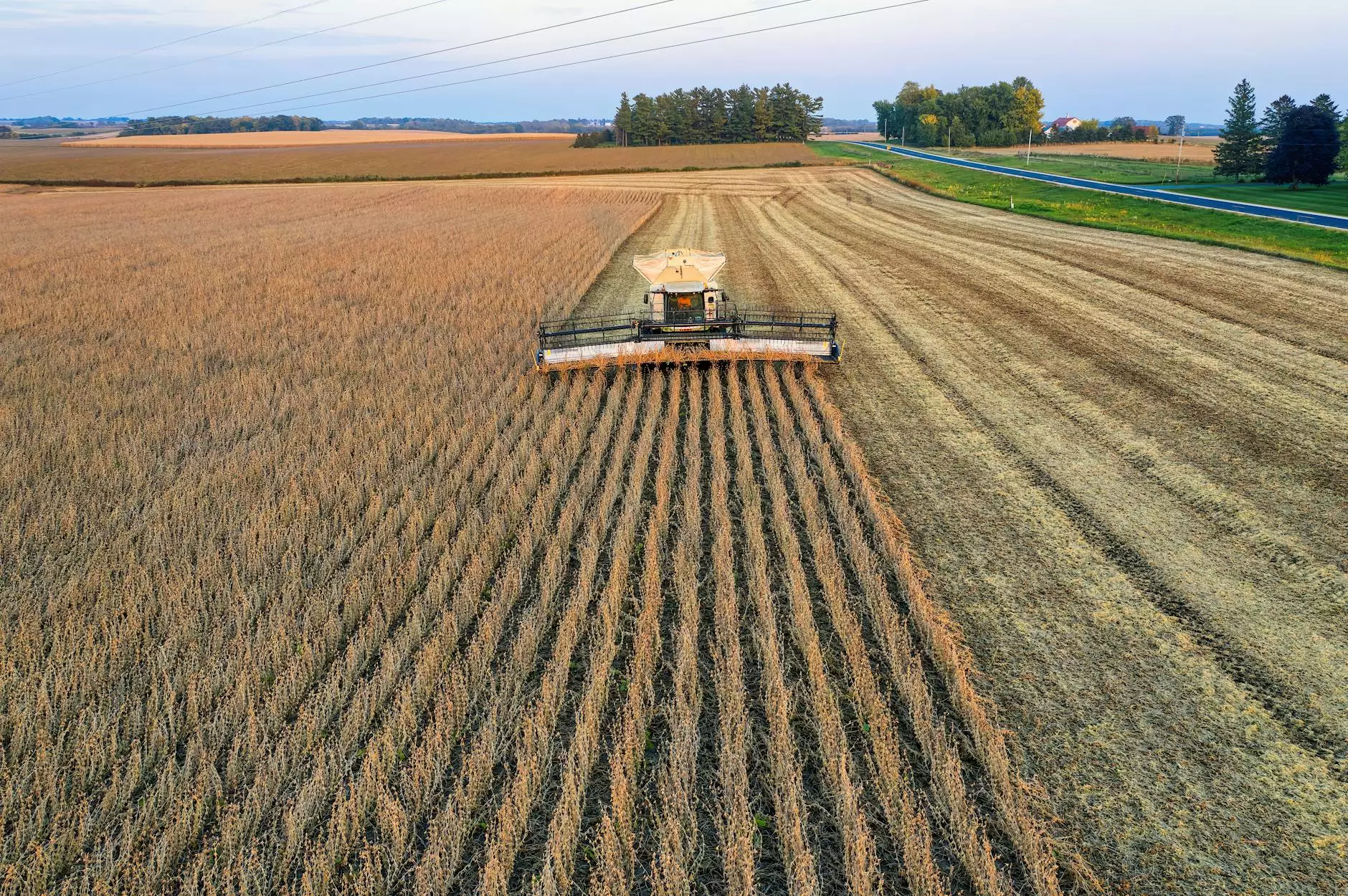
In the ever-evolving world of agriculture, efficient farm operations are crucial for maximizing yield, reducing waste, and ensuring profitability. Staying ahead of the curve involves understanding the latest advancements in farming equipment, maintaining and repairing machinery effectively, and integrating cutting-edge technology such as grain bin moisture sensors. This comprehensive guide aims to provide farmers, agribusinesses, and industry professionals with in-depth knowledge on these vital topics, helping you optimize your farming practices and boost your bottom line.
1. The Significance of Farm Equipment in Modern Agriculture
Farming equipment forms the backbone of agricultural productivity. From tractors and harvesters to irrigation systems and grain storage solutions, each piece plays a pivotal role in ensuring smooth farm operations. The importance of having reliable, well-maintained machinery cannot be overstated.
Why is farm equipment so essential?
- Increased Efficiency: Modern machinery accelerates planting, harvesting, and processing, reducing time and labor costs.
- Higher Yield: Advanced equipment allows for precision farming techniques that maximize crop output.
- Cost Reduction: Maintenance and timely repairs prevent costly breakdowns and prolong equipment lifespan.
- Environmental Sustainability: Innovative machinery often consumes less fuel and minimizes environmental impact.
2. The Critical Role of Farm Equipment Repair
Regular farm equipment repair is vital to maintaining operational efficiency and avoiding costly downtimes. Given the demanding nature of agricultural work, machinery often faces wear and tear, leading to breakdowns if not properly serviced.
Proactive Maintenance Strategies
- Scheduled Inspections: Routine checks of engines, hydraulics, and electrical systems.
- Lubrication and Fluid Checks: Ensuring all moving parts are well-oiled and fluids are at optimal levels.
- Replacing Worn Parts: Timely substitution of belts, filters, and hydraulic components.
- Calibration and Adjustments: Fine-tuning equipment settings to ensure precision and efficiency.
Choosing Expert Farm Equipment Repair Services
Partnering with experienced technicians like those at TSGC Inc guarantees high-quality repairs. Skilled repair services help extend equipment lifespan, improve performance, and incorporate the latest technological upgrades.
3. Innovations in Farming Equipment for Enhanced Productivity
The agricultural sector has seen significant advancements over recent years, driven by technological innovation. These innovations are designed to make farming more efficient, sustainable, and profitable.
Key Developments in Farming Equipment
- Precision Agriculture Technologies: GPS-guided tractors and drones facilitate precise planting, fertilizing, and pesticide application.
- Autonomous Machinery: Self-driving equipment reduces labor dependency and improves operational accuracy.
- Smart Tractors and Implements: Integration of sensors and IoT connectivity enables real-time monitoring and data analytics.
- Advanced Grain Storage Solutions: Modern grain bins equipped with technologies like grain bin moisture sensors to protect crop quality.
4. The Impact and Benefits of Grain Bin Moisture Sensors
One of the most revolutionary innovations in grain storage management is the development of grain bin moisture sensors. These devices play a crucial role in maintaining crop integrity and preventing storage losses.
What Are Grain Bin Moisture Sensors?
Grain bin moisture sensors are electronic devices strategically placed within grain bins to continuously monitor moisture levels. They transmit real-time data to farm management systems, allowing for proactive decision-making.
How Do Grain Bin Moisture Sensors Work?
Typically, these sensors measure moisture content via electrical resistance or capacitance. They send data wirelessly to control systems, alerting operators when moisture levels exceed optimal thresholds.
Advantages of Using Grain Bin Moisture Sensors
- Prevent Spoilage: Early detection of excess moisture helps prevent mold growth and spoilage.
- Optimize Drying Processes: Accurately assess moisture to avoid over-drying or under-drying, saving energy and cost.
- Reduce Storage Losses: Maintaining proper moisture levels ensures grain quality and market value.
- Data-Driven Management: Collecting moisture data over time enables better storage planning and decision-making.
5. Best Practices for Managing Grain Storage with Moisture Sensors
Integrating grain bin moisture sensors into storage management requires strategic planning and operational discipline:
- Regular Calibration: Ensure sensors are calibrated periodically for accurate readings.
- Automated Alerts: Configure alerts for moisture thresholds to prompt timely drying actions.
- Complementary Equipment: Use in conjunction with aeration systems, fans, and dryers for comprehensive moisture control.
- Data Analysis: Review moisture data consistently to identify trends and improve storage practices.
6. How TSGC Inc Supports the Agricultural Sector
At TSGC Inc, we specialize in farm equipment repair and supplying farming equipment tailored to meet the unique needs of modern farmers. Our expertise extends to implementing the latest technological solutions like grain bin moisture sensors, ensuring your storage facilities operate at peak efficiency.
Our Services Include:
- Expert Equipment Repair: Quick turnaround, reliable repair services for all types of farm machinery.
- Farming Equipment Sales: Innovative tractors, harvesters, irrigation systems, and grain storage solutions.
- Technology Integration: Assistance with installing and configuring grain bin moisture sensors and smart farming devices.
- Consultation and Training: Educating farmers on best practices for equipment maintenance and technology usage.
7. Embracing Technology for Sustainable and Profitable Farming
The future of agriculture hinges on integrating advanced technology with traditional farming methods. Devices such as grain bin moisture sensors are not merely tools for storage management but are key components of a larger trend towards precision farming and sustainable practices.
Benefits of Tech-Driven Agriculture
- Increased Crop Yield: Data-driven decisions optimize planting and harvesting schedules.
- Resource Conservation: Precision application of water, fertilizers, and pesticides minimizes waste and environmental impact.
- Operational Efficiency: Automation reduces labor costs and enhances productivity.
- Market Competitiveness: Advanced equipment and data insights make farms more competitive in local and global markets.
8. Final Thoughts: Investing in the Future of Farming
In conclusion, the modernization of farm equipment, proactive repair and maintenance strategies, and the adoption of innovative technologies like grain bin moisture sensors are essential for anyone serious about succeeding in agriculture today. By leveraging these tools and partnering with industry leaders such as TSGC Inc, farmers can achieve higher efficiency, improved crop quality, and sustainable growth.
Remember, the key to thriving in the competitive world of agriculture is continuous innovation, maintenance, and technology adoption. Whether you're upgrading your machinery or implementing advanced storage solutions, embracing these advancements will help secure your farm's future for generations to come.
Contact Us
To learn more about our farm equipment repair services, latest farming equipment, or how we can help you incorporate grain bin moisture sensors into your storage systems, visit us at tsgcinc.com today.