Understanding Bilateral Salpingectomy Oophorectomy: A Critical Procedure in Women's Healthcare
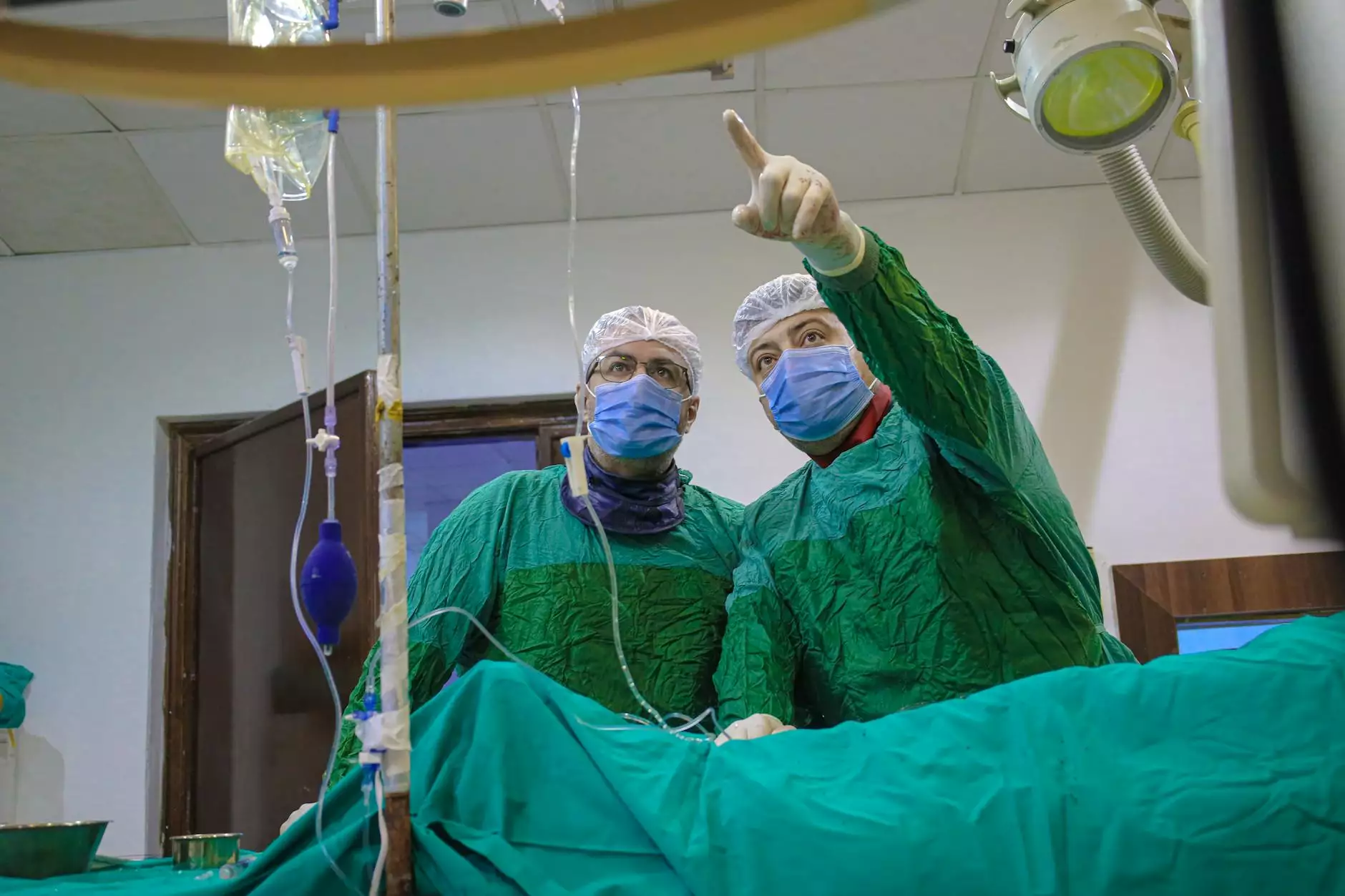
In the realm of women's health and gynecology, surgical interventions play a pivotal role in managing various conditions related to the reproductive system. Among these, the bilateral salpingectomy oophorectomy stands out as a significant procedure with profound implications for ovarian health, cancer prevention, and overall well-being. This comprehensive guide aims to shed light on this complex yet vital operation, its indications, the surgical process, benefits, and what patients can expect when choosing expert care at clinics such as drseckin.com.
What Is Bilateral Salpingectomy Oophorectomy?
Bilateral salpingectomy oophorectomy refers to the surgical removal of both fallopian tubes and ovaries. This procedure is often performed for preventive, therapeutic, or diagnostic purposes:
- Prophylactic intervention: To decrease the risk of ovarian and fallopian tube cancers, especially in high-risk populations.
- Treatment of certain gynecological conditions: Persistent ovarian cysts, endometriosis, or gynecologic cancers.
- Fertility considerations: Usually performed in women who have completed childbearing or are at risk for ovarian malignancies.
The Significance of Bilateral Salpingectomy Oophorectomy in Modern Gynecological Practice
Over recent years, bilateral salpingectomy oophorectomy has gained recognition as a preventative strategy against gynecological cancers, particularly ovarian cancer. It aligns with the emerging understanding that many ovarian cancers originate *from* the fallopian tubes.
By removing the tubes and ovaries, practitioners can substantially lower women's risk of developing ovarian and fallopian tube cancers. This strategy is especially crucial for women with a family history of these cancers or carrying genetic mutations such as BRCA1 and BRCA2.
Indications for Bilateral Salpingectomy Oophorectomy
The decision to undergo bilateral salpingectomy oophorectomy hinges on multiple factors, including age, health status, and personal or familial cancer risk. Common indications include:
- Genetic predisposition: Carriers of BRCA mutations or other hereditary cancer syndromes.
- Preventive healthcare: Women over 40 seeking ovarian cancer risk reduction, especially those with significant family history.
- Ovarian pathology: Persistent cysts, endometriosis, or other ovarian diseases resistant to medical management.
- Gynecologic malignancies: As part of cancer staging or treatment for ovarian, fallopian tube, or primary peritoneal cancers.
- Other surgical procedures: During hysterectomy or tubal ligation for comprehensive reproductive health management.
What Does the Surgical Procedure Entail?
The bilateral salpingectomy oophorectomy is a meticulous operation, typically performed under general anesthesia. It involves precise steps to ensure safety and optimal outcomes:
Surgical Technique Overview
The procedure generally takes place via minimally invasive laparoscopic methods, offering quicker recovery and minimal scarring. The typical steps include:
- Administration of general anesthesia to ensure patient comfort.
- Careful insertion of small laparoscopic instruments through tiny abdominal incisions.
- Visualization of reproductive organs using a high-definition camera.
- Careful dissection and ligation of the fallopian tubes and ovaries, ensuring minimal bleeding.
- Removal of the excised tissues through the small incisions.
- Closure of incisions and postoperative recovery planning.
Postoperative Care and Considerations
Post-surgical management includes pain control, activity restrictions, and follow-up consultations. Patients are advised about potential hormonal changes, especially if the ovaries are removed, and their impact on menopause and overall health.
Benefits of Bilateral Salpingectomy Oophorectomy
Cancer Risk Reduction
The foremost benefit is the significant decrease in the risk of ovarian, fallopian tube, and some peritoneal cancers. For women at high genetic risk, this procedure offers a proactive shield, effectively lowering lifetime cancer incidence.
Fertility and Hormonal Balance
While removing both ovaries induces menopause, in some cases, especially in women past childbearing age, this is an acceptable and beneficial trade-off for cancer prevention. For younger women seeking to preserve fertility, less invasive options are considered, but removal of ovaries is generally reserved for risk reduction or disease treatment.
Symptom Relief and Disease Management
In cases of ovarian cysts, endometriosis, or other ovarian conditions, bilateral removal can alleviate symptoms, prevent complications, and improve the quality of life.
Potential Risks and Considerations
Like any surgical intervention, bilateral salpingectomy oophorectomy carries potential risks, which include:
- Bleeding and infection: Common minor surgical risks.
- Hormonal changes: Induction of menopause, with subsequent symptoms like hot flashes, mood swings, and osteoporosis if ovaries are removed.
- Impact on cardiovascular health: Increased risk for certain conditions post-menopause.
- Psychological effects: Emotional impact related to fertility and body image concerns.
Comprehensive preoperative counseling and postoperative support are essential to address these risks thoroughly.
Choosing the Right Specialist: Why Opt for Expert Gynecological Care?
Given the complexity and significance of bilateral salpingectomy oophorectomy, it is vital to entrust this procedure to experienced gynecologists specializing in minimally invasive surgery. Dr. Seckin is renowned for his expertise in obstetrics and gynecology, offering personalized care tailored to each patient's unique needs.
Why Women Trust Dr. Seckin for Their Gynecological and Cancer Prevention Needs
- Extensive experience in minimally invasive gynecological surgeries.
- Patient-centered approach with detailed counseling on risks, benefits, and alternatives.
- Advanced surgical techniques ensuring safety, precision, and rapid recovery.
- Holistic care addressing hormonal, psychological, and physical aspects of menopause and reproductive health.
Long-Term Outcomes and Follow-up
Patients undergoing bilateral salpingectomy oophorectomy require contemporary follow-up care to monitor hormonal health and manage any menopausal symptoms. Additionally, lifestyle modifications, like calcium and vitamin D supplementation, regular exercise, and hormone replacement therapy when appropriate, play roles in maintaining overall health postoperatively.
Empowering Women with Knowledge and Support
Education about the benefits and potential consequences of this procedure empowers women to make informed choices. Support networks and counseling play crucial roles in navigating emotional and physical changes after surgery.
Conclusion: Your Partner in Women's Health
The bilateral salpingectomy oophorectomy represents a proactive, preventive, and therapeutic option in the realm of modern gynecology, offering significant benefits in reducing cancer risks and managing ovarian health conditions. When considering this procedure, choosing an expert in the field, such as the specialized team at Dr. Seckin’s clinic, ensures optimal outcomes backed by experience, compassion, and innovative surgical techniques.
Your journey towards better health begins with an informed, expert-led approach. Trust your reproductive and overall health to the hands of professionals dedicated to advancing women's wellness with cutting-edge care and compassionate support.