Transform Your Workspace: The Ultimate Guide to Corporate Office Interior Design
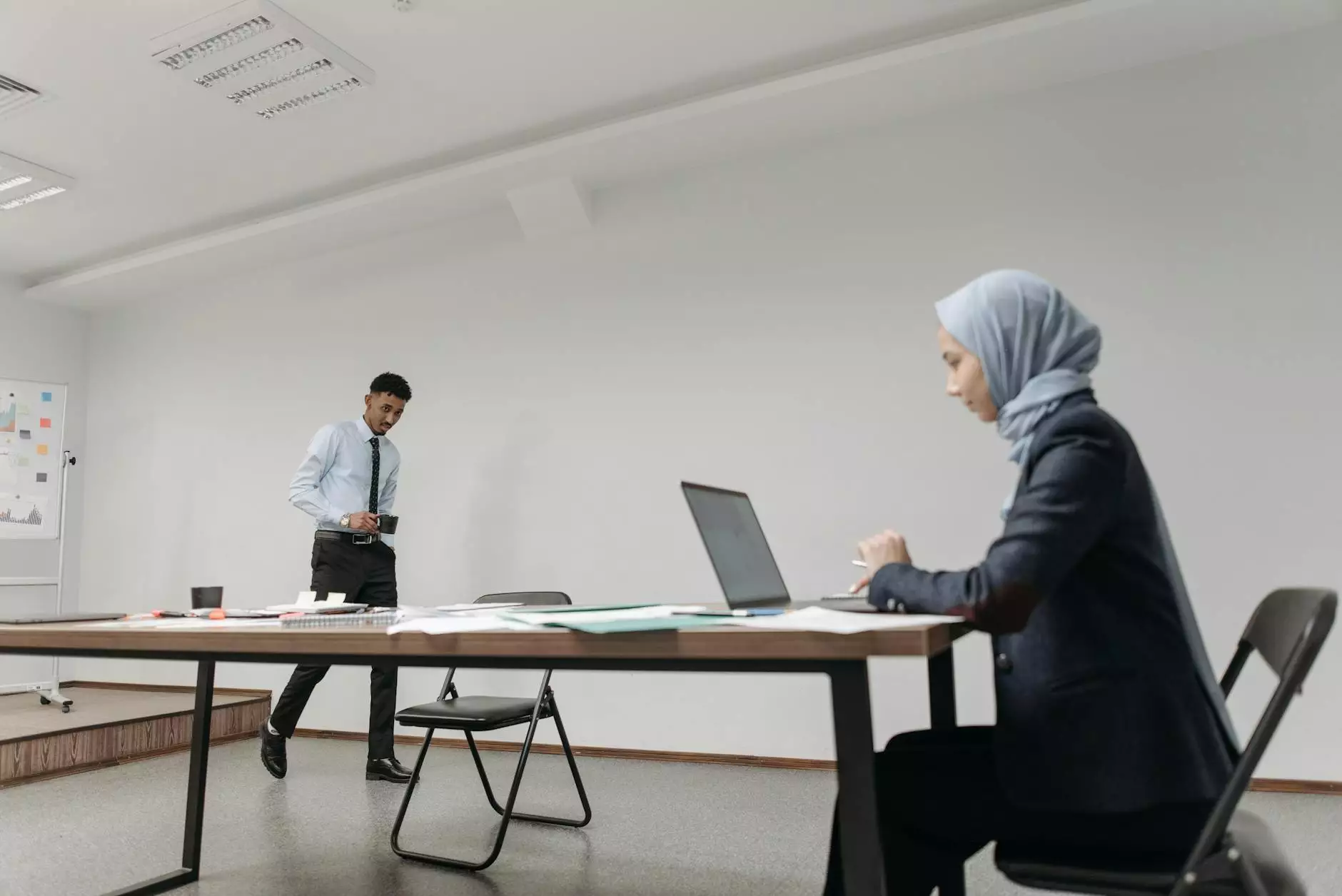
In today's fast-paced corporate world, a well-designed office space is not just a luxury—it’s a necessity. When it comes to business success, the interior design of your workplace plays a critical role. An aesthetically pleasing and functional office environment can enhance productivity, boost morale, and foster creativity. This article will delve deep into the world of corporate office interior design, helping you understand its significance and how you can achieve a remarkable transformation in your workspace.
Why Corporate Office Interior Design Matters
Office interiors do not simply serve as a backdrop for daily operations; they are a reflection of your company’s culture and values. Here are some key reasons why effective corporate office interior design matters:
- First Impressions: The design of your office creates initial impressions for clients, potential employees, and partners.
- Boosts Productivity: A well-organized and designed workspace can heighten focus and efficiency.
- Enhances Employee Well-being: Thoughtful design contributes to employee satisfaction and mental well-being.
- Fosters Collaboration: Open and inviting spaces encourage teamwork and collaboration among employees.
- Promotes Brand Identity: Interior design allows companies to express their brand through colors, materials, and layout.
Key Elements of Corporate Office Interior Design
To effectively execute a corporate interior design project, several elements must be considered:
1. Layout and Space Planning
The layout of an office should prioritize functionality. Consider the flow of movement within the space. Use an efficient layout that supports the activities that take place within the office, ensuring that each area serves its purpose well. Here are some important considerations:
- Open Plan vs. Private Offices: Balance between open spaces for collaboration and private areas for focus work.
- Meeting Spaces: Ensure there are adequate and accessible meeting rooms equipped with technology.
- Common Areas: Design comfortable break and leisure areas to encourage relaxation and informal discussions.
2. Color Psychology
The colors used in an office can greatly influence mood and productivity. Here’s how different colors impact work environments:
- Blue: Inspires productivity and creativity.
- Green: Evokes a sense of calm and balance.
- Yellow: Stimulates mental activity and creativity.
- Neutral Tones: Provide a professional atmosphere and flexibility.
3. Furniture Selection
The choice of furniture is paramount in corporate office interior design. Ergonomic chairs and desks should be prioritized to enhance employee comfort. Furniture should also align with the office aesthetic and functionality:
- Ergonomics: Invest in chairs and desks that promote good posture and comfort.
- Flexibility: Consider modular furniture options that can be rearranged as needed.
- Brand Reflection: Choose furniture that complements your brand's identity.
4. Lighting Solutions
Lighting can dramatically affect the atmosphere of an office space. Effective lighting design involves a mix of:
- Natural Light: Maximize sunlight with large windows and open spaces.
- Ambient Lighting: Brighten overall office areas to make them feel welcoming.
- Task Lighting: Provide focused lighting for specific tasks, like workstations.
- Accent Lighting: Use for visual interest and highlighting design features.
Creating Functional Spaces: Zones in Office Design
A successful corporate office interior designer understands the importance of creating designated zones within the workspace. Here are some essential zones to consider incorporating:
1. Collaborative Zones
Areas designed for teamwork and brainstorming should encourage open communication and idea generation. These zones can include:
- Team Rooms: Spaces equipped with whiteboards and comfortable seating for group work.
- Breakout Areas: Informal lounges where employees can gather and brainstorm.
2. Individual Workstations
Providing employees with personalized workstations enhances focus. Individual desks with proper storage options are crucial:
- Adjustable Desks: Encourage movement during the workday.
- Personalized Decor: Allow employees to personalize their space to enhance comfort.
3. Quiet Zones
Having spaces designated for quiet work or breaks enhances concentration and productivity:
- Soundproof Booths: Dedicated areas for phone calls or focused work.
- Meditation Rooms: Spaces for relaxation and mindfulness activities.
4. Common Areas
Common areas play a vital role in fostering a sense of community and collaboration within the office:
- Cafeterias and Pantries: Spaces for informal gatherings during mealtimes.
- Game Rooms: Areas specifically designed for relaxation and stress relief.
Implementing Sustainable Practices
As environmental concerns grow, incorporating sustainable practices into office design has become essential. Here’s how you can adopt eco-friendly measures:
- Using Recycled Materials: Opt for furniture and materials made from recycled sources.
- Energy-efficient Lighting: Invest in LED lighting to reduce energy consumption.
- Indoor Plants: Introduce greenery to improve air quality and employee well-being.
Working with a Corporate Office Interior Designer
When tasked with redesigning your workspace, partnering with a corporate office interior designer can provide you with expertise and a tailored approach. Amodini Systems specializes in creating innovative and functional office interiors in Delhi, ensuring that your needs and goals are met effectively.
Benefits of Hiring a Professional
- Expertise: Designers understand current trends and innovative solutions.
- Customized Designs: Tailoring design to fit your culture and brand identity.
- Time-efficient: Professionals manage timelines and ensure project completion.
- Access to Resources: Designers have access to a network of suppliers and craftsmen.
Choosing the Right Designer in Delhi
Selecting the right corporate office interior designer involves considering several factors:
- Portfolio: Review their previous work to gauge style and quality.
- Client Testimonials: Seek feedback from past clients for insights into their work ethic.
- Budget Awareness: Ensure they understand and respect your budget framework.
- Communication Style: A designer should communicate effectively and incorporate your feedback.
Conclusion
The interior of your corporate office is a powerful tool that can foster innovation, enhance productivity, and create a positive atmosphere for employees and clients alike. By understanding the principles of corporate office interior design and working with skilled designers like those at Amodini Systems, you can transform your workspace into a vibrant environment that not only reflects your brand but also supports your business objectives. Investing in your office design is not merely about aesthetics; it's an investment in the future of your business.
Embrace the opportunity to redefine your workspace, paving the way for creativity, collaboration, and corporate success. Make your office a place where employees want to work and clients want to visit!