Unlocking the Potential of Inkjet Printer White Ink
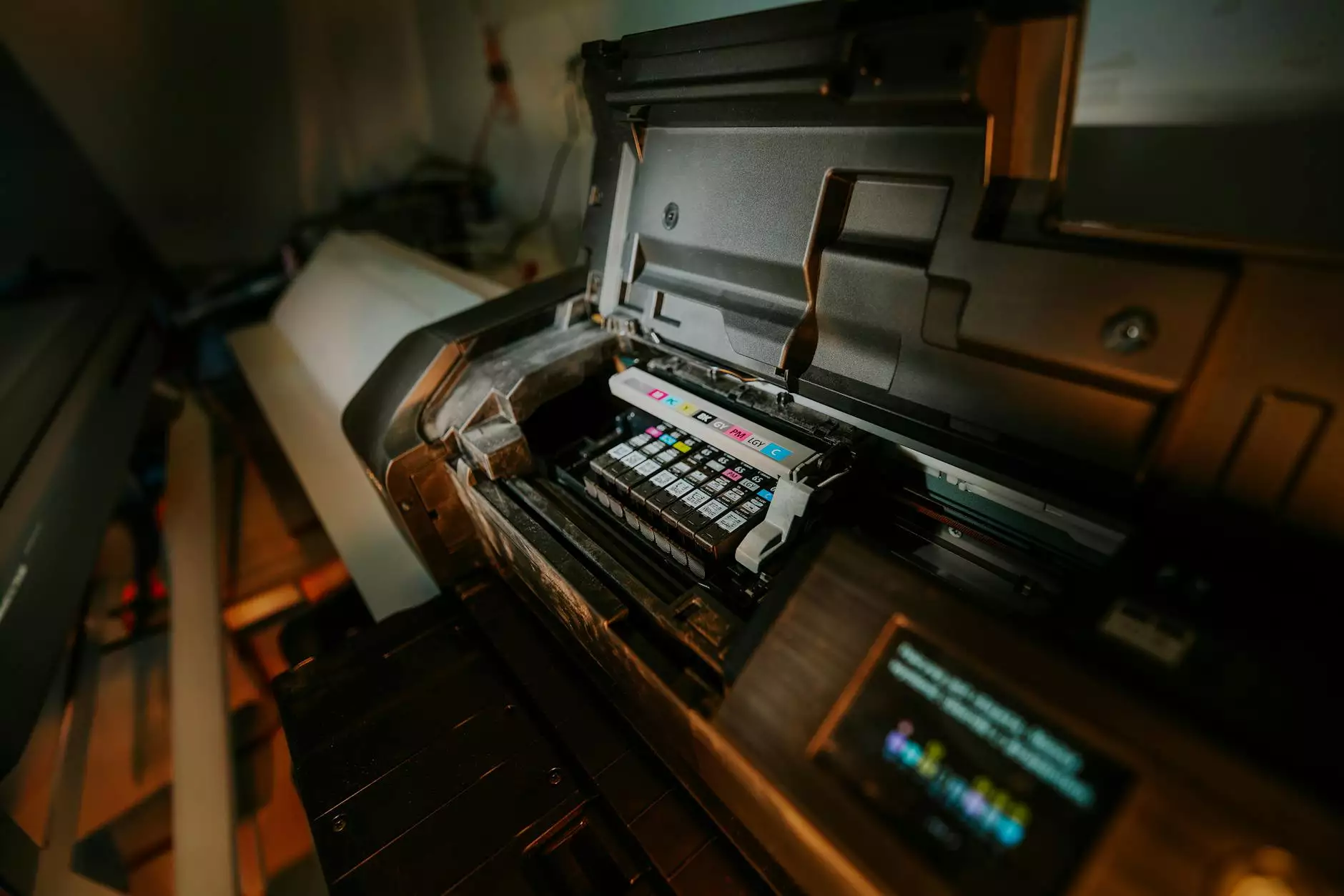
In today’s competitive business landscape, the demand for high-quality printing services is ever-increasing. As industries evolve, so too do the technologies that support them. One such technological advancement that is gaining significant traction is the use of inkjet printer white ink. This specialized ink offers unique capabilities that set it apart from traditional printing methods, especially in the realm of creative design, packaging, and branding. At Boston Industrial Solutions, we understand how crucial it is for businesses to stay ahead of the curve. Let’s delve deep into the advantages of white ink and why incorporating it into your printing services can elevate your business offerings.
Understanding Inkjet Printer White Ink
Before we dive into the advantages of using inkjet printer white ink, it’s essential to understand what it is and how it functions. White ink is a unique ink type that allows printing on transparent or colored substrates, which traditional CMYK inks cannot achieve. It is particularly useful for:
- Packaging: Creating vibrant, eye-catching labels that stand out.
- Textiles: Printing directly on fabrics for custom apparel.
- Signage: Enhancing visibility with bold graphics on various materials.
The Advantages of Using Inkjet Printer White Ink
Integrating inkjet printer white ink into your printing services comes with several compelling benefits:
1. Enhanced Visibility and Bold Graphics
One of the most significant advantages of white ink is its ability to enhance visibility. When printed on dark or transparent surfaces, white ink can make colors pop, creating bold graphics that grab attention. This capability is crucial for businesses looking to make a strong marketing statement. For instance, packaging designed using white ink can turn ordinary products into eye-catching displays, leading to increased consumer engagement and brand recognition.
2. Greater Design Flexibility
With inkjet printer white ink, designers gain an unprecedented level of flexibility. Unlike traditional printing that relies solely on color limitations, white ink can be used as a base layer or as a standalone feature. This allows for intricate designs that incorporate both translucent and opaque effects. Designers can create custom artwork that looks stunning on various substrates, including:
- Glass
- Acrylic
- Metal
- Textiles
3. Eco-Friendly Solutions
As sustainability becomes a key consideration for businesses worldwide, the demand for eco-friendly printing options has surged. Many inkjet printer white inks are formulated to be less harmful to the environment compared to traditional inks. Many companies are now producing inks that are free from volatile organic compounds (VOCs), making them safer for indoor use and reducing environmental impact. By opting for white ink solutions, your business can appeal to the growing consumer base that prioritizes environmentally responsible practices.
4. Cost-Effectiveness in the Long Run
While the initial investment in inkjet technology and white inks may seem high, the long-term savings are worth considering. Businesses can print directly onto a variety of substrates, reducing the need for additional finishes or processes that can add to overall printing costs. Furthermore, this technology minimizes waste—both in terms of excess material and ink usage—making it both a cost-effective and environmentally responsible choice.
Applications of Inkjet Printer White Ink
The versatility of inkjet printer white ink allows for a myriad of applications across different industries. Here are some notable uses:
1. Label Printing
Labels are essential for branding, product information, and compliance. White ink enables labels to be printed on dark or colored materials with clear and vibrant text, ensuring that crucial information stands out. This application is especially popular in the cosmetic, food, and beverage industries, where aesthetics go hand-in-hand with brand identity.
2. Textile Printing
In the fashion industry, customization is critical. White ink allows designers to print vibrant designs onto colored fabrics, enabling them to create unique and personalized clothing items. This capability is a game-changer for small businesses and independent designers who want to differentiate their products in a competitive market.
3. Packaging Solutions
Brand packaging can significantly influence consumer purchasing decisions. White ink can enhance packaging by allowing for intricate designs and superior graphics, which can resonate with the target audience. Be it wine bottles or cosmetic containers, white ink can give your packaging the premium look that captures attention on shelves.
4. Signage and Banners
The advertising space is crowded, and effective signage is vital to stand out. White ink printed graphics on dark surfaces can provide excellent visual contrast, ensuring that your message is communicated effectively. Retail stores, exhibitions, and events can leverage this technology for attractive and effective signage solutions.
Choosing the Right Inkjet Printer for White Ink Printing
Implementing white ink technology requires a specific type of inkjet printer. When selecting a printer, consider the following factors:
- Printer Compatibility: Ensure the printer is designed for white ink use, as not all inkjet printers support this feature.
- Print Resolution: Look for high-resolution capabilities to achieve the best quality and detail in prints.
- Cost Efficiency: Consider both upfront costs and long-term ink costs to find a printer that balances quality and affordability.
- Substrate Variety: Choose a printer that can handle a wide range of materials for increased versatility.
Implementation Tips for Businesses
Transitioning to inkjet printer white ink requires careful planning and implementation. Here are some tips to ensure a smooth integration:
1. Train Your Team
Invest in training your design and printing team to fully understand how to utilize white ink in their projects. Familiarity with the technology will lead to more innovative designs and efficient printing processes.
2. Experiment with Designs
Encourage designers to push creative boundaries using white ink. Experimentation can lead to unique offerings that attract more customers and set your business apart.
3. Promote Your Capabilities
Once you have integrated white ink into your services, don't forget to promote it! Marketing your ability to print with white ink will attract new clients and projects.
4. Gather Feedback
Engage with customers to assess their satisfaction with products printed using white ink. Gathering feedback allows continual improvement in service offerings.
Conclusion
In conclusion, the integration of inkjet printer white ink into your printing services can provide significant advantages. From enhancing visibility to enabling greater design flexibility and eco-friendliness, white ink technology stands out as a transformative tool in the printing industry. As companies like Boston Industrial Solutions embrace these innovations, we pave the way for a future where businesses can deliver exceptional quality and creativity in their offerings.
Investing in inkjet printer white ink is not just about upgrading your printing capabilities; it's about setting your business apart in an ever-evolving market. By adopting this technology, you can cater to the needs of modern consumers looking for quality, sustainability, and innovation. Make the leap today, and transform your printing services into a beacon of creativity and excellence.