The Comprehensive Guide to Air Freight, Sea Freight, and Land Freight
In the fast-paced world of global trade, choosing the right shipping method is critical to ensuring the success and efficiency of your logistics operations. When it comes to transporting goods, the three primary methods of freight are air freight, sea freight, and land freight. Each option offers distinct advantages and disadvantages, depending on the type of product, distance, and urgency of delivery. In this article, we will delve into each freight method, examine their unique characteristics, and help you understand when to utilize each one for your business needs.
What is Air Freight?
Air freight is the transport of goods by aircraft. This method is known for its speed, making it an ideal choice for time-sensitive shipments. Here's a closer look at the key aspects of air freight:
Advantages of Air Freight
- Speed: Air freight is the fastest method of shipping, allowing for deliveries to be made within hours or days.
- Global Reach: With access to numerous airports worldwide, air freight offers a robust global logistics network.
- Reliability: Airlines tend to operate on strict schedules, which leads to fewer delays and more predictable delivery times.
- Minimal Handling: Goods transported by air typically undergo less handling, reducing the risk of damage.
Disadvantages of Air Freight
- Cost: Air freight is significantly more expensive compared to sea and land freight, making it less suitable for low-value goods.
- Weight Restrictions: Aircraft have weight and size restrictions, limiting the types of goods that can be shipped.
- Environmental Impact: Air freight has a larger carbon footprint compared to other shipping methods.
When to Use Air Freight: If you're dealing with perishable items, high-value goods, or time-sensitive deliveries (like e-commerce products during peak seasons), air freight is often the best choice.
What is Sea Freight?
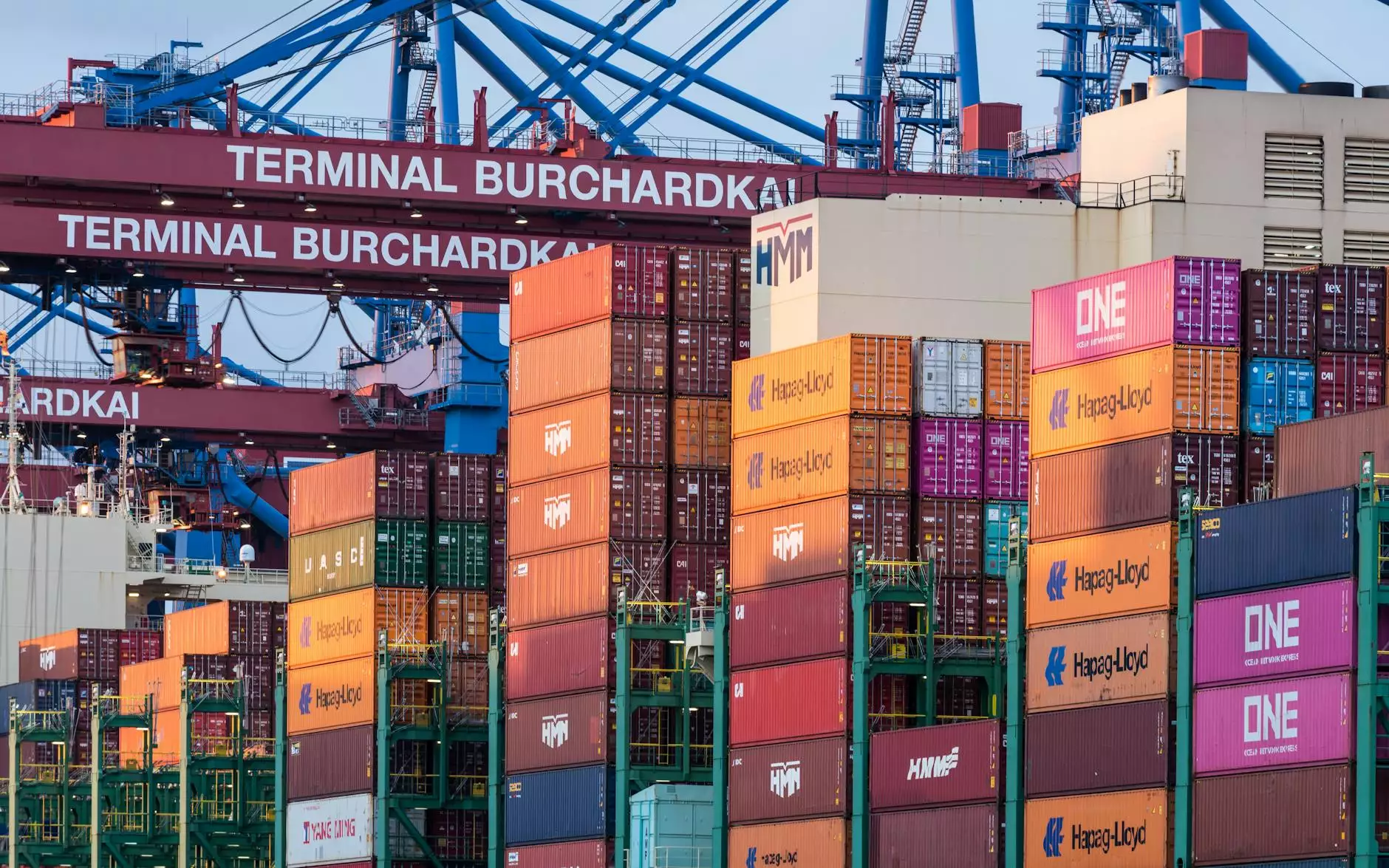
Sea freight is the transportation of goods by ocean vessels. It is one of the oldest and most widely used methods of shipping and is particularly advantageous for large quantities and bulk items. Let's explore the key features of sea freight:
Advantages of Sea Freight
- Cost-Effective: Sea freight is generally more economical for transporting large volumes of goods compared to air freight.
- Capacity: Ships can carry a considerable amount of freight, making it ideal for large shipments.
- Less Restrictive: Sea freight can accommodate larger and heavier items that may not fit on planes.
- Wide Range of Goods: Suitable for various product types, including heavy machinery, agricultural products, and consumer goods.
Disadvantages of Sea Freight
- Longer Transit Times: Sea freight takes significantly longer than air freight, which can be a drawback for urgent shipments.
- Port Congestion: Ships can experience delays due to congestion at ports, affecting delivery schedules.
- Weather Dependency: Transit can be delayed or disrupted by unfavorable weather conditions.
When to Use Sea Freight: Sea freight is optimal for shipping large quantities of goods, such as industrial materials, automobiles, and non-perishable consumer goods, especially when time is not a constraint.
What is Land Freight?
Land freight involves transporting goods via trucks or rail. This method serves as a critical link in the logistics chain, connecting air and sea freight to local and regional destinations. Let’s break down the essential aspects of land freight:
Advantages of Land Freight
- Flexibility: Land freight offers extensive flexibility in terms of routes and delivery schedules, providing access to remote locations.
- Cost-Effective for Short Distances: Particularly for short-haul deliveries, land freight can be more affordable compared to air and sea freight.
- Direct Delivery: Goods can be transported directly from the manufacturer to the destination without needing to unload at ports.
Disadvantages of Land Freight
- Limited Speed: While faster than sea freight, land freight is slower than air freight, making it unsuitable for urgent deliveries.
- Infrastructure Challenges: Road and rail conditions can affect delivery times, especially in remote areas or during adverse weather.
- Traffic Congestion: Urban areas may experience congestion, leading to delays in transport.
When to Use Land Freight: Land freight is best suited for shipments within the same country or region, especially for deliveries to remote or specific locations. It is also a smart choice for bulky goods that need regional distribution.
Air Freight, Sea Freight, and Land Freight: Choosing the Right Option
Deciding between air freight, sea freight, and land freight depends on various factors including cost, delivery time, cargo type, and destination. Here are some considerations to help you make the right choice:
Cost Considerations:
Evaluate the total cost of shipping. While air freight might be quicker, it can also be significantly more expensive. Sea freight offers bulk shipping advantages, while land freight may provide cost-effective solutions for regional deliveries.
Speed and Efficiency:
If your products are perishable or if you're operating during peak demand periods, speed is crucial. Air freight will be the best option. However, if the delivery timeline is flexible, consider sea freight for bulk quantities.
Type of Goods:
Determine the nature of the goods being shipped. Heavy machinery or large quantities are better suited for sea freight. For valuable electronics or urgent medical supplies, air freight would be ideal. For regional transport of consumer goods, land freight often works best.
Destination:
Your choice of freight will also depend on the destination. Air freight is perfect for international shipping to major cities, while sea freight is ideal for large shipments to port cities, and land freight is best for delivery inland.
Combining Freight Methods for Optimal Logistics
In many cases, businesses utilize a multi-modal approach, combining air freight, sea freight, and land freight to optimize their shipping processes. This strategy can offer the best of all worlds:
- Streamlined Operations: Using multiple modes of transport can ensure products move efficiently from manufacturers to consumers, balancing speed and cost.
- Enhanced Flexibility: Combining freight methods allows businesses to adjust their shipping strategies based on customer needs and market conditions.
- Improved Inventory Management: By strategically utilizing different freight types, businesses can maintain optimal inventory levels and reduce storage costs.
Conclusion
Understanding the complexities of air freight, sea freight, and land freight is essential for any business involved in logistics and supply chain management. Each method has its unique benefits and limitations, and the best solution often involves a thoughtful combination of these freight options.
By considering factors like cost, speed, type of goods, and destination, businesses can make informed decisions that enhance efficiency and customer satisfaction. Partnering with a reliable logistics provider, like shipnorthamerica.com, can provide you with the expertise and tools necessary to navigate the freight landscape effectively.
In conclusion, whether you choose air freight for its speed, sea freight for its efficiency in handling bulk goods, or land freight for its flexibility, the right shipping strategy will elevate your business operations and deliver success in today’s competitive market.
air freight sea freight land freight