Understanding Sleeve Gastrectomy: A Comprehensive Guide
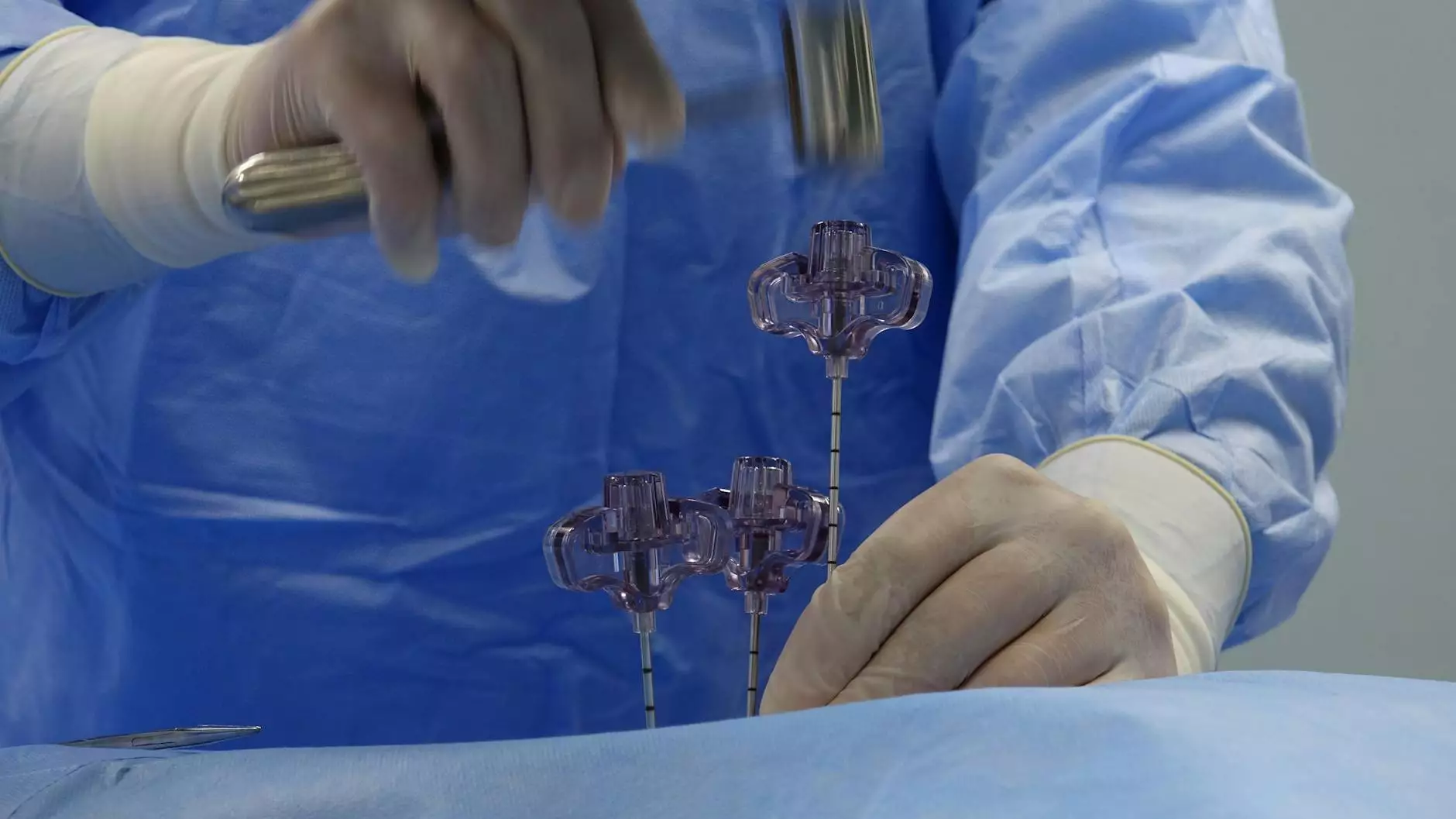
Sleeve gastrectomy is a groundbreaking surgical procedure that has gained immense popularity in recent years as an effective solution for obesity and weight-related health issues. This article delves deep into what sleeve gastrectomy entails, its benefits, risks, and the overall journey from pre-op to post-op for those considering this transformative surgery.
What is Sleeve Gastrectomy?
Sleeve gastrectomy, also known as gastric sleeve surgery, is a type of bariatric surgery designed to help individuals lose weight by reducing the size of the stomach. During the procedure, approximately 75-80% of the stomach is removed, leaving a narrow, sleeve-like tube. This significantly limits the amount of food that can be consumed and alters the production of hunger hormones, leading to reduced appetite.
The Benefits of Sleeve Gastrectomy
Choosing sleeve gastrectomy as an option for weight loss offers numerous benefits, making it an appealing choice for many. Here are some of the main advantages:
- Significant Weight Loss: Patients typically lose 50-70% of their excess weight within the first year post-surgery.
- Improved Health Conditions: Many obesity-related conditions such as type 2 diabetes, hypertension, and sleep apnea improve or resolve entirely after surgery.
- Reduced Hunger: Alterations in hunger hormones lead to a notable decrease in appetite, making it easier to comply with dietary changes.
- Shorter Recovery Time: Compared to more invasive weight-loss surgeries, sleeve gastrectomy generally has a quicker recovery time.
- Improved Quality of Life: Many patients report a significant enhancement in their quality of life post-surgery, with increased mobility and confidence.
Who is a Candidate for Sleeve Gastrectomy?
Not everyone is a suitable candidate for sleeve gastrectomy. Ideal candidates typically include individuals who:
- Have a body mass index (BMI) of 40 or higher, or a BMI of 30 or higher with obesity-related health conditions.
- Have attempted other weight loss methods, such as diet and exercise, without sustainable results.
- Are committed to making long-term lifestyle changes, including dietary modifications and physical activity.
- Are at least 18 years old and psychologically prepared for the changes that come with surgery.
The Sleeve Gastrectomy Procedure
The sleeve gastrectomy procedure typically involves the following steps:
- Consultation: An initial consultation with a bariatric surgeon to discuss goals, medical history, and detailed information about the procedure.
- Pre-operative Preparation: Patients may undergo blood tests, imaging studies, and psychological evaluations to ensure readiness for surgery.
- Anesthesia: The procedure is performed under general anesthesia, ensuring the patient is completely unconscious and pain-free.
- Surgery: The surgeon makes several small incisions in the abdomen. Through these incisions, laparoscopic instruments are used to remove a portion of the stomach and create the sleeve.
- Recovery: After surgery, patients are monitored for a brief period in the hospital before being discharged, usually within one to two days.
Post-Operative Care and Recovery
Recovery from sleeve gastrectomy is a crucial aspect of the overall process, requiring commitment and diligence from the patient. Key points include:
- Dietary Changes: Initially, patients consume liquids and then gradually transition to pureed foods before reintroducing solid foods within a few weeks.
- Follow-up Appointments: Regular follow-ups with the surgical team are essential to monitor progress, manage any complications, and ensure adherence to dietary guidelines.
- Physical Activity: Patients are encouraged to begin light physical activity soon after surgery, gradually increasing intensity as they heal.
- Support Groups: Joining support groups can be beneficial for emotional support and sharing experiences with other patients.
Risks and Considerations
While sleeve gastrectomy is considered safe, it is essential to be aware of potential risks and complications, which may include:
- Leakage: A leak can occur at the site where the stomach is sealed, which may require further surgical intervention.
- Nutritional Deficiencies: Since the stomach is smaller, patients may experience deficiencies in vitamins and minerals, necessitating lifelong supplementation.
- Gastroesophageal Reflux Disease (GERD): Some patients may experience worsening acid reflux after surgery.
- Pain and Discomfort: Post-surgical pain is common, but it typically subsides as healing progresses.
Success Stories and Testimonials
Many patients who have undergone sleeve gastrectomy share inspiring success stories that highlight the profound impact this procedure has had on their lives. These patients often report:
- Substantial weight loss leading to improved physical health.
- Enhanced mental well-being and self-esteem.
- Newfound enthusiasm for life, with increased participation in physical activities.
- The joy of achieving long-term weight management and a healthier lifestyle.
Choosing the Right Medical Center for Sleeve Gastrectomy
When considering sleeve gastrectomy, selecting a qualified and reputable medical center is crucial. Here are factors to consider:
- Accreditation: Ensure the facility is accredited and follows proper safety and quality protocols.
- Surgeon’s Experience: Research the surgeon’s experience, success rates, and patient reviews.
- Support Services: Look for centers that offer comprehensive support, including nutrition counseling and psychological support.
- Post-operative Care: Choose a center that has a solid plan for post-operative care and follow-up.
Final Thoughts on Sleeve Gastrectomy
In conclusion, sleeve gastrectomy presents a promising solution for individuals struggling with obesity and related health conditions. With its many benefits, including significant weight loss and improved quality of life, this procedure can be life-changing for those who meet the eligibility criteria and are prepared to make necessary lifestyle adjustments. As with any surgical procedure, thorough research, understanding the associated risks, and consulting with healthcare professionals are key steps towards making an informed decision that best suits one's health goals.
For more information about sleeve gastrectomy and to explore if you are a suitable candidate, visit antalyahealth.com to connect with experts who can guide you on your journey to better health.